Building Better Communities
The Netherlands demonstrates how design, policy, and community can work together to create housing that is diverse, adaptable, and affordable. By embedding Self-Build within a managed, Plot-Based process, the Dutch have shown that this approach contributes meaningfully to housing delivery across multiple scales and locations. It is not a niche alternative but a mainstream component of how urban communities are planned and built.
Freedom and Cohesion
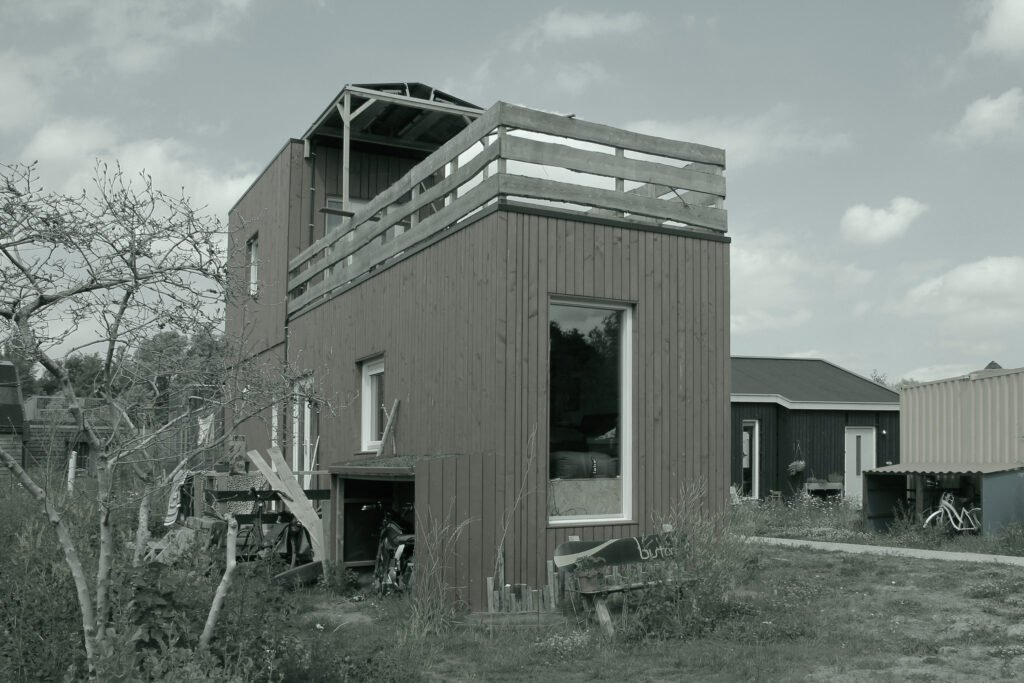
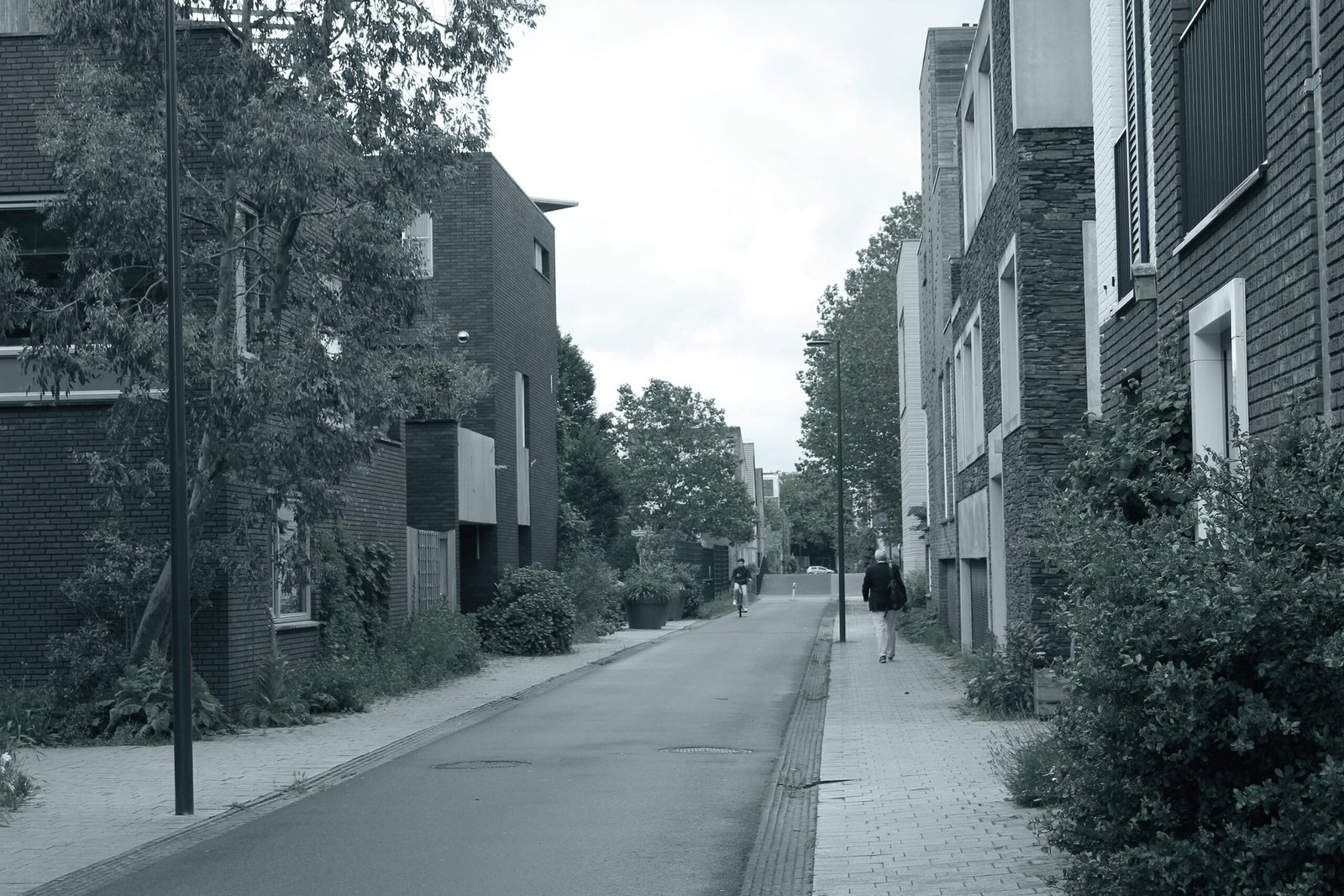
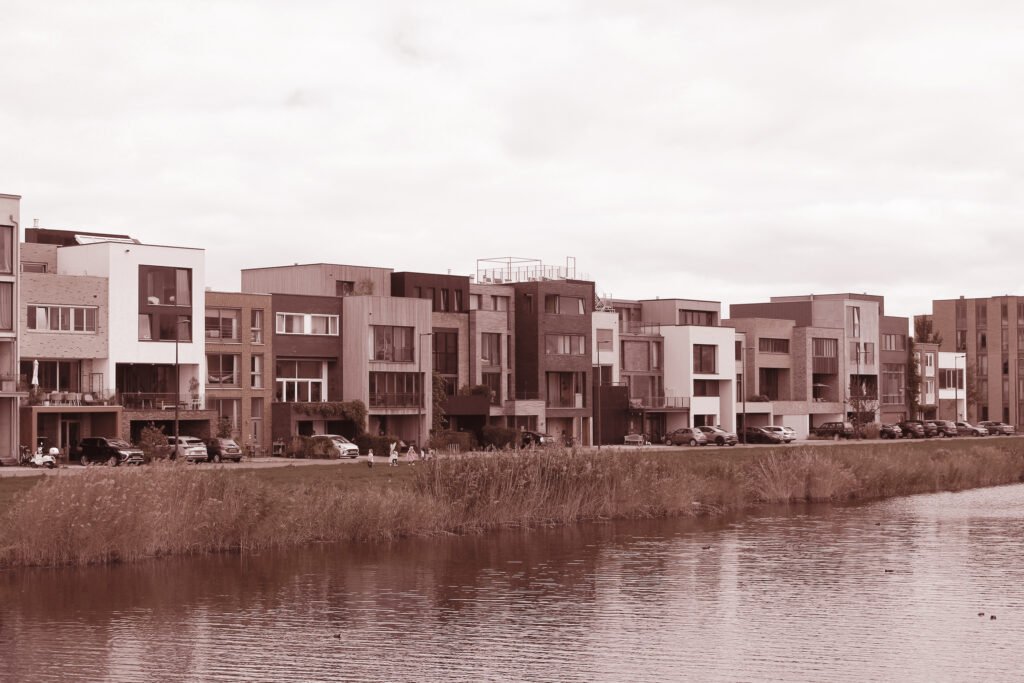
What sets the Dutch model apart is its balance between individual freedom and collective cohesion. Active frontages spill onto streets, creating strong visual and physical connections between homes and public space. Planners and designers actively encourage variation in style, height, material, and typology. This produces neighbourhoods with a richness and character that conventional volume housebuilding cannot replicate. In addition, transport, landscape, architecture, and urban design are coordinated from the outset. Each plot contributes to a harmonious and well-connected whole, ensuring functional and aesthetic coherence.
Affordable for All
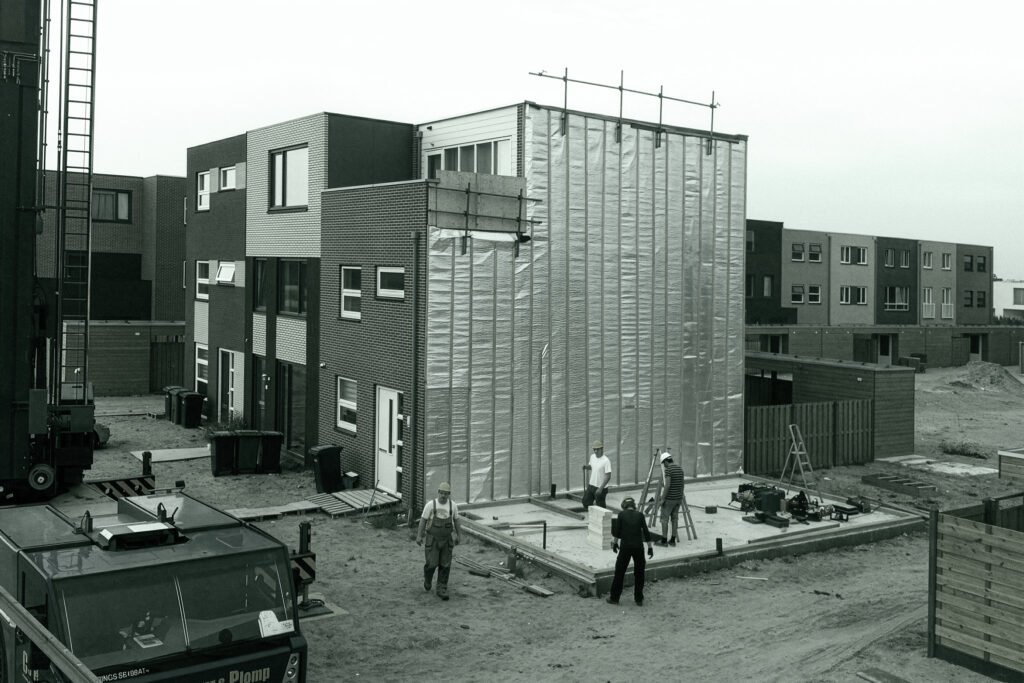
Where budgets are modest, small-scale discounted plots open the door to genuine do-it-yourself Self-Build. This makes homeownership accessible to people who might otherwise be excluded. Consequently, these developments foster deep community engagement, enabling residents to shape their surroundings collaboratively.
Pioneering Design
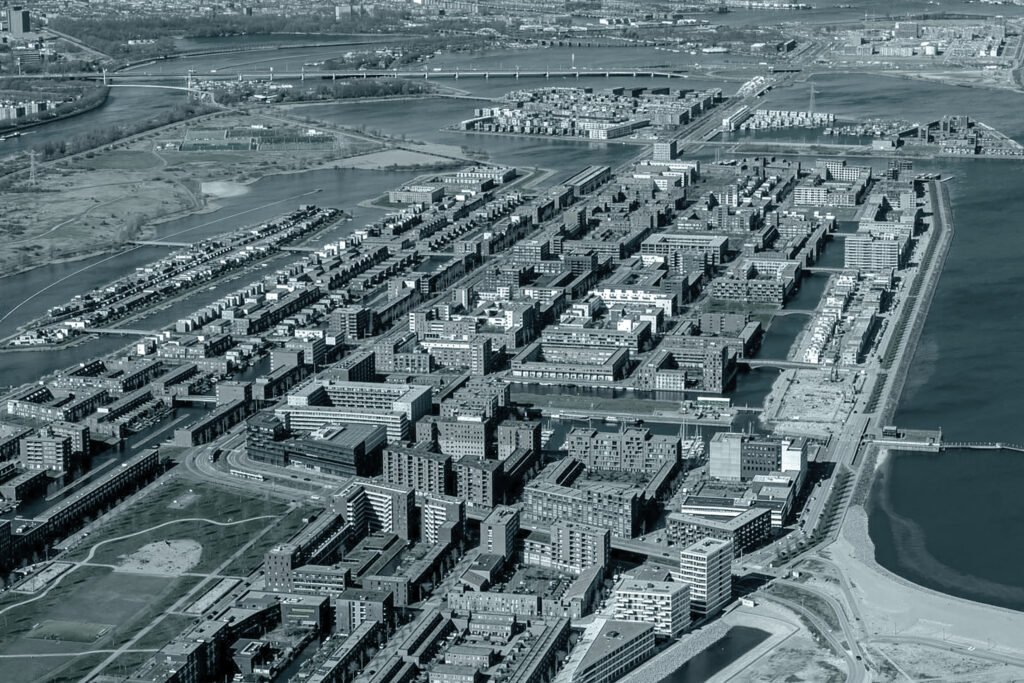
From water-based living to landscape-led design, Dutch Self-Build communities have pushed the boundaries of what housing can do. Residents drive innovation directly, responding to climate, context, and community with creativity and purpose. The people who inhabit these homes design them with intention and knowledge, ensuring they endure with a lasting connection to place.
It’s time to rethink how we build communities, Plot by Plot.
Featured Posts
ORCHARD FARM
GOING DUTCH
PLOT BASED
PLOT BY PLOT
MICRO HOMES
NEW TOWNS
PLOTLANDS