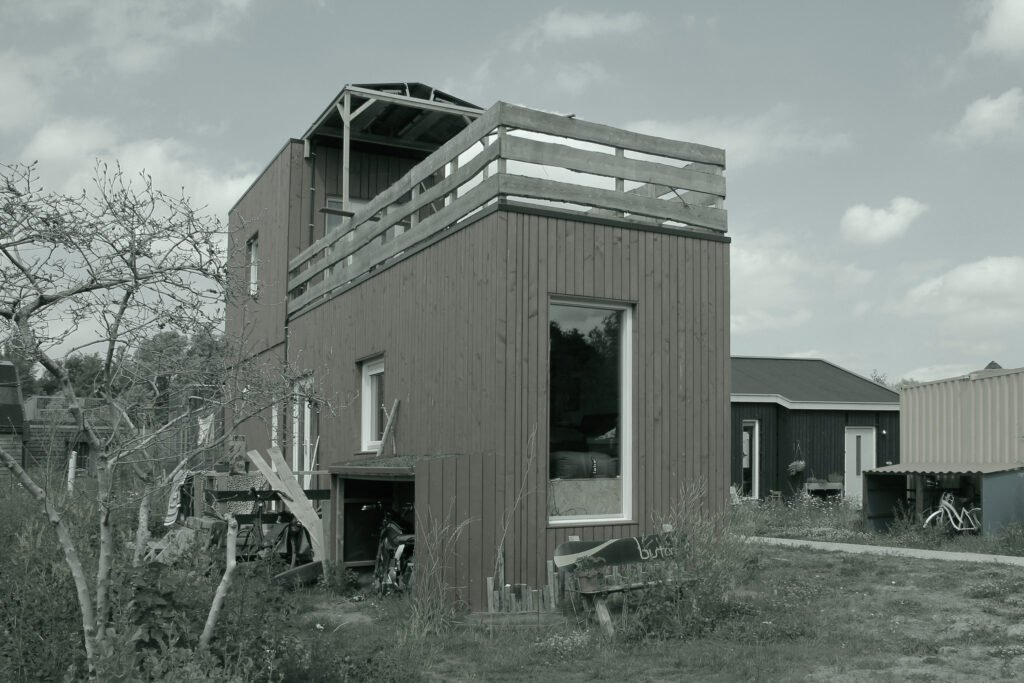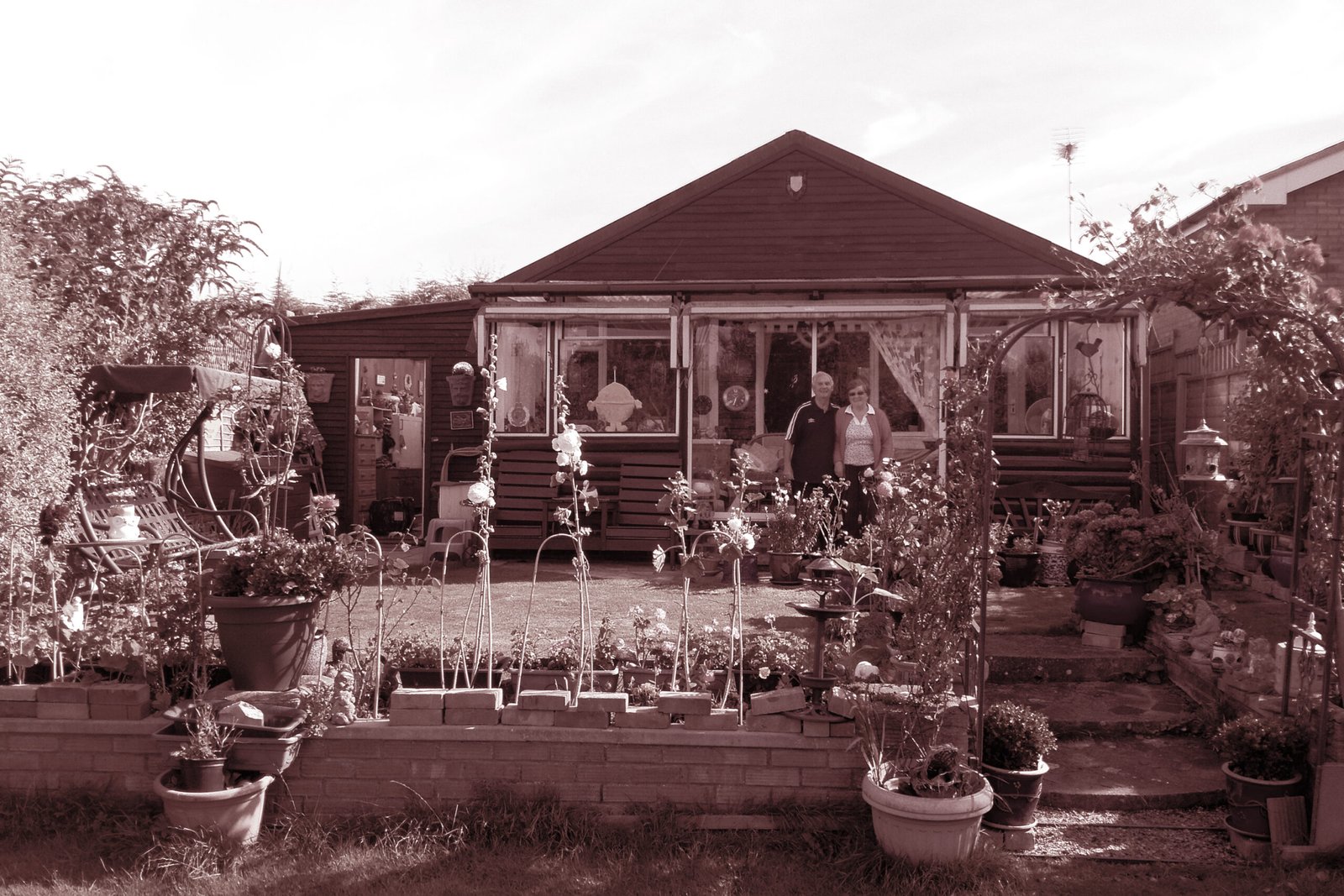
In the early 20th century, working families bought small, affordable plots of land, often in the countryside or on the fringes of towns, and built modest homes themselves.
These informal communities grew from sheds and caravans into permanent settlements, shaped by the people who lived in them. Plotlanders often laid their own roads, shared tools, and exchanged expertise. They built when funds allowed, creating homes at their own pace. In doing so, they established accessible, self-determined housing outside the mainstream system.
Today we face a similar challenge. The housing crisis continues to push people out of the market, yet our planning and development frameworks rarely accommodate small-scale, Self-Build communities. The Plotlands offer a historic precedent for what is possible when land is made available affordably and with fewer restrictions. With the right support, people can and will build homes that meet their own needs.
The Plotland spirit remains essential to the future of Self-Build housing. National policy now recognises the value of Custom and Self-Build, with the NPPF encouraging a diverse housing supply and requiring serviced plots. Unlocking Self-Build potential means allocating land in new towns and settlements, urban regeneration areas, and rural sites, while supporting Community-Led models inspired by the Plotlanders.
Reimagining the Plotlands for the 21st century means creating places that are affordable, adaptable, and rooted in local ownership. Though ambitious, it could become one of the most impactful Self-Build solutions to address our housing needs.
Featured Posts
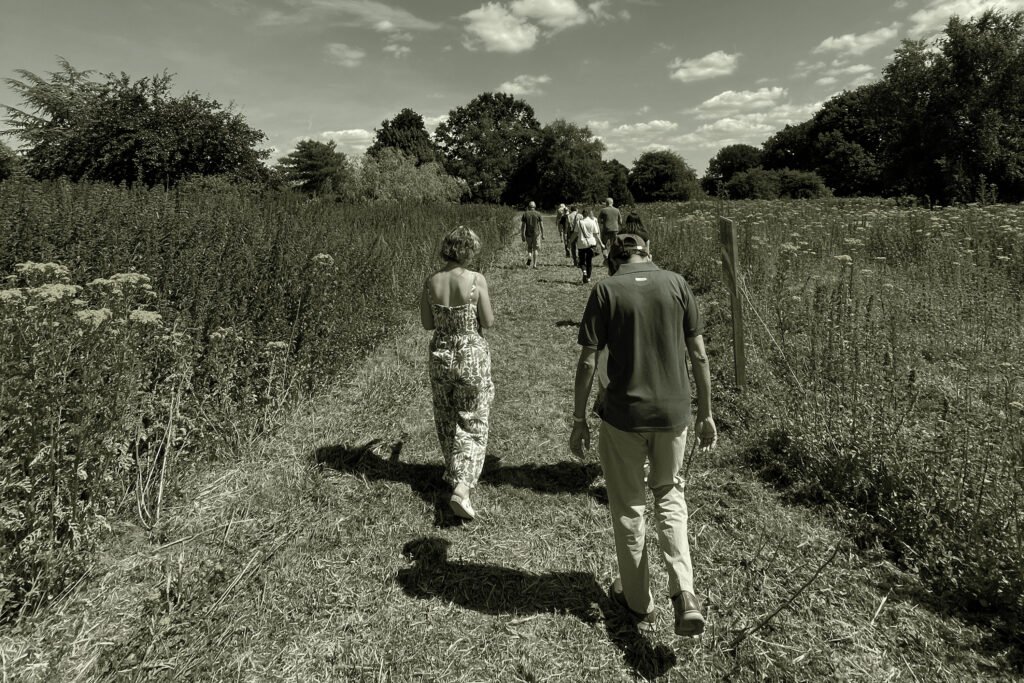
ORCHARD FARM
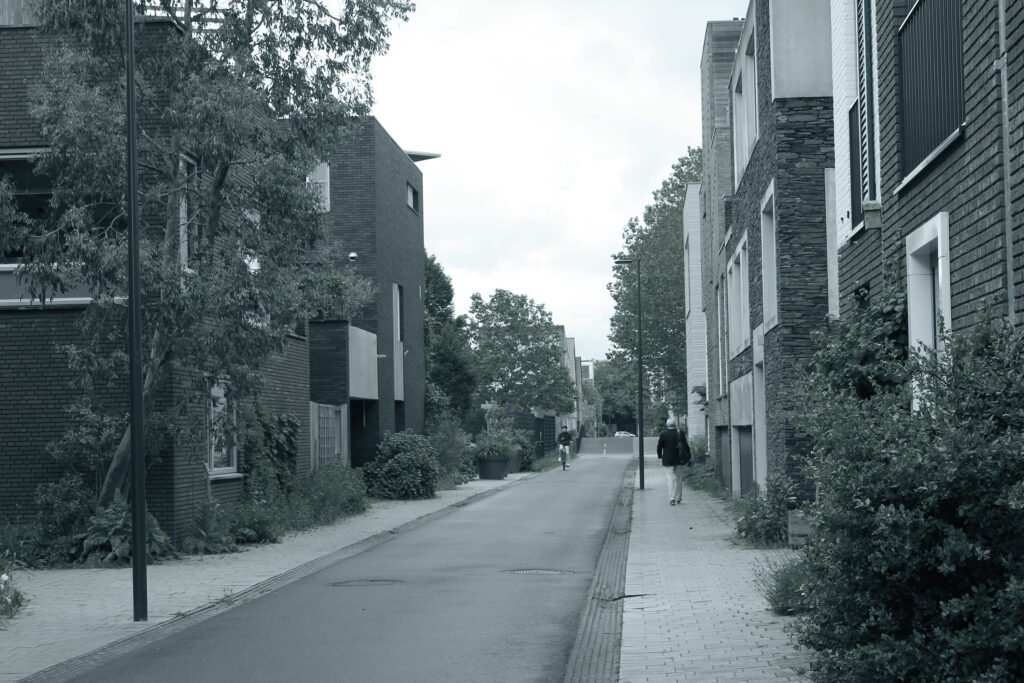
GOING DUTCH
PLOT BASED
PLOT BY PLOT
MICRO HOMES
NEW TOWNS
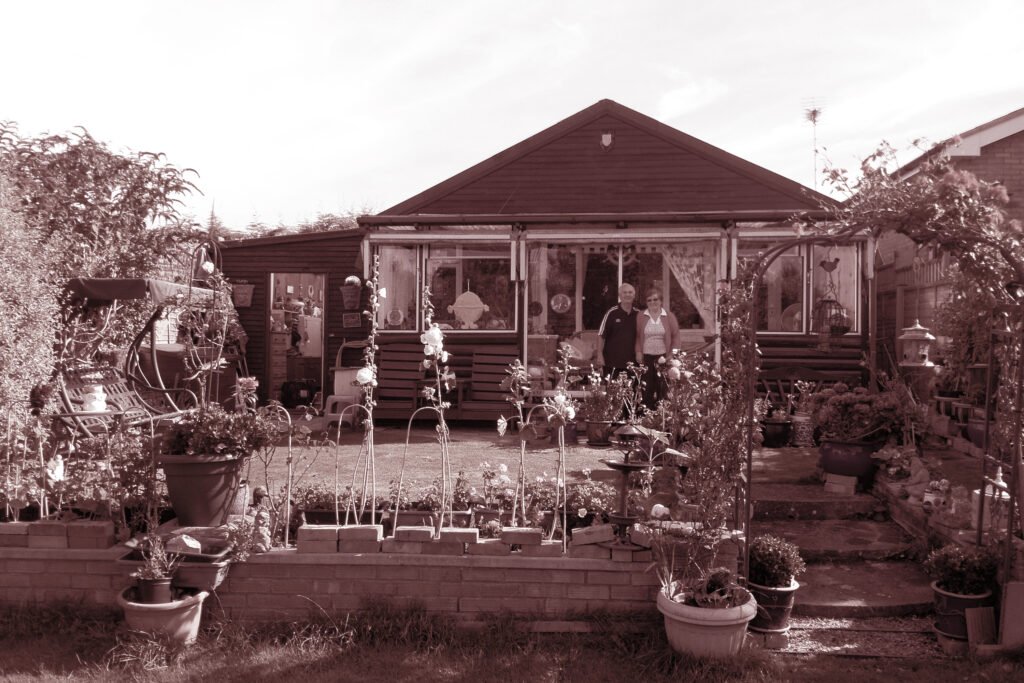
PLOTLANDS