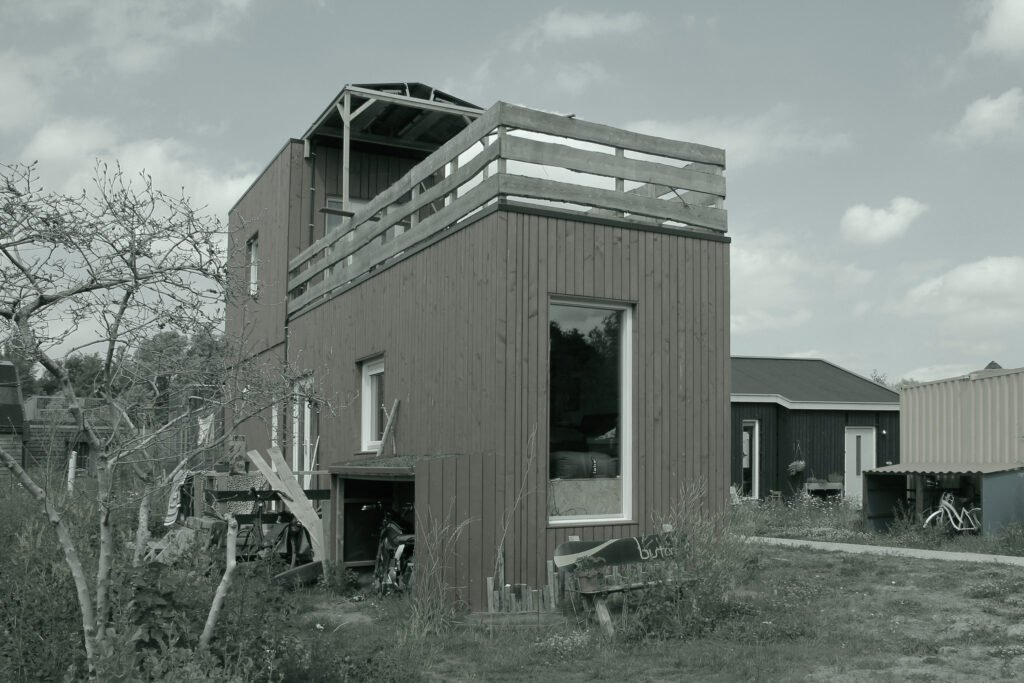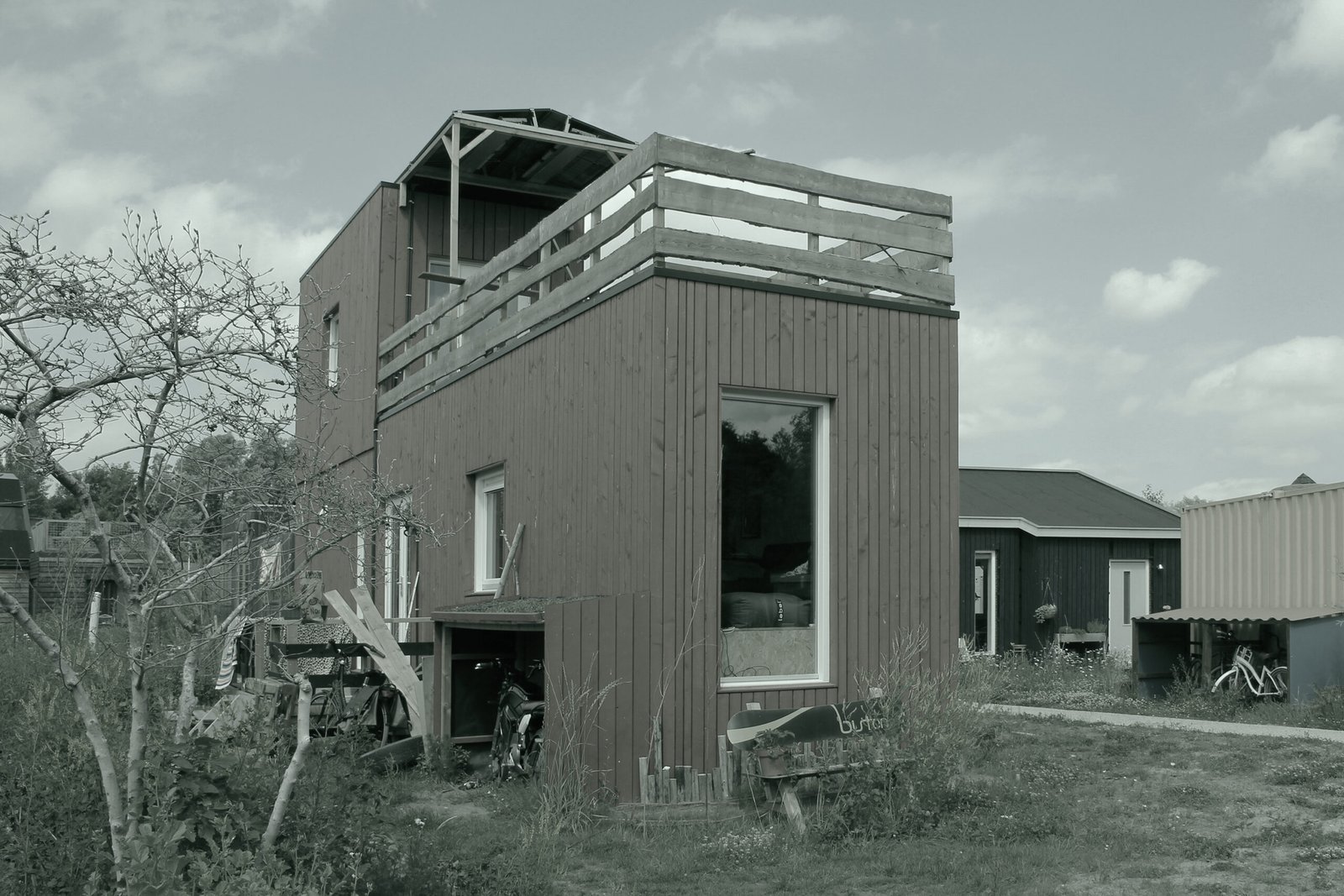
It’s encouraging that the UK Spending Review recognises the importance of diversifying housing supply, particularly by supporting affordable Custom and Self-Build initiatives. This approach contributes to a more resilient and inclusive housing market.
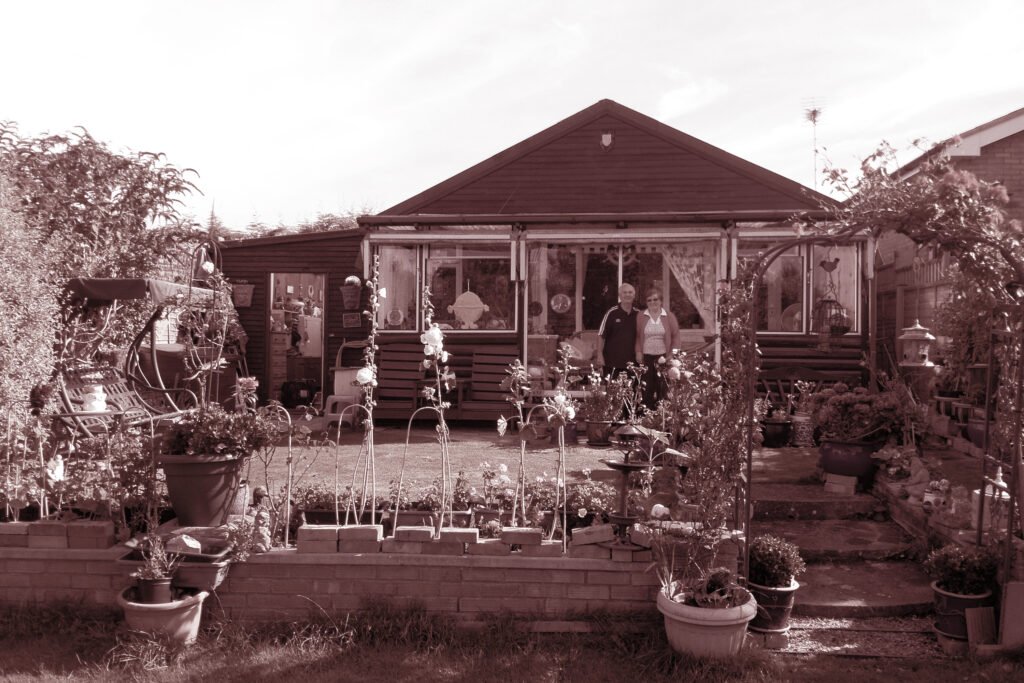
As the UK navigates a persistent housing crisis, we must consider both new policies and overlooked precedents. For example, the Plotlanders of interwar Britain and the informal subdivisions of 1920s Paris show how people created their own paths to housing when formal systems excluded them.
In both cases, working-class families locked out of the market acquired small, unserviced plots and built modest homes. In Paris, entire neighbourhoods grew without permits or infrastructure, while in Britain, Plotlanders repurposed agricultural land for homes, gardens, and communities. These grassroots movements arose from necessity and practical need, rather than from planning.
Over time, authorities absorbed and formalised many of these settlements. Consequently, what was once makeshift is now celebrated for its liveability, individuality, and social fabric. Former “illegal” neighbourhoods in Paris now enjoy protection, and in the UK, the Plotlanders’ legacy continues to inspire the growing self-build movement.
Today, we have a unique opportunity to apply these lessons. As land opens up in new settlements, London’s grey belt, and strategic urban extensions, affordable small-scale self-build can take a central role. It lays the foundation for development that is adaptable, diverse, and resilient.
Featured Posts

ORCHARD FARM
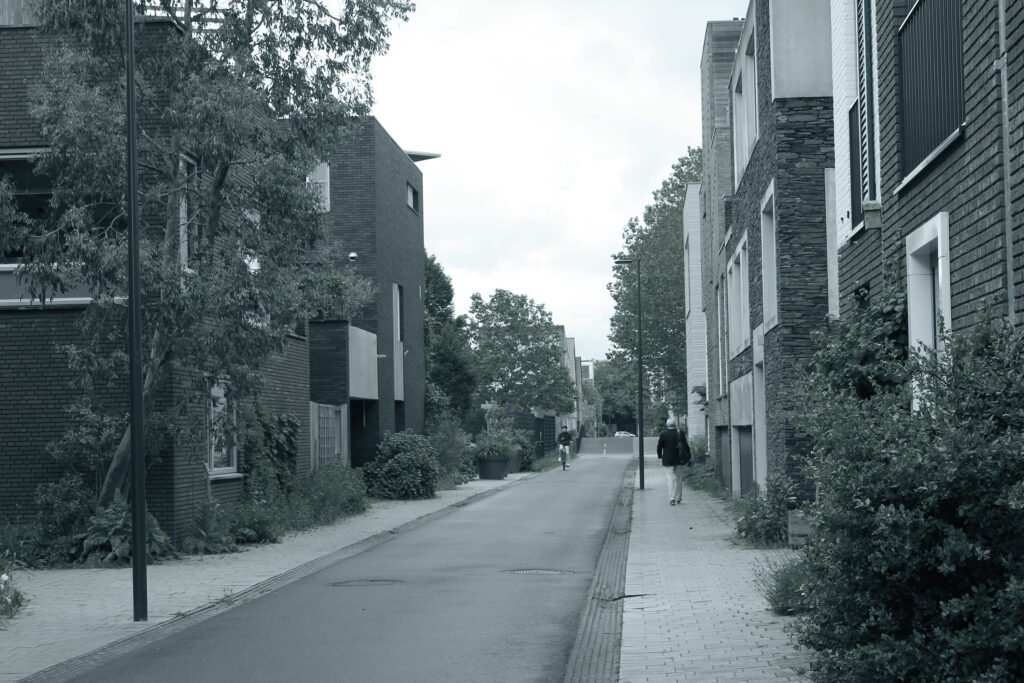
GOING DUTCH

PLOT BASED
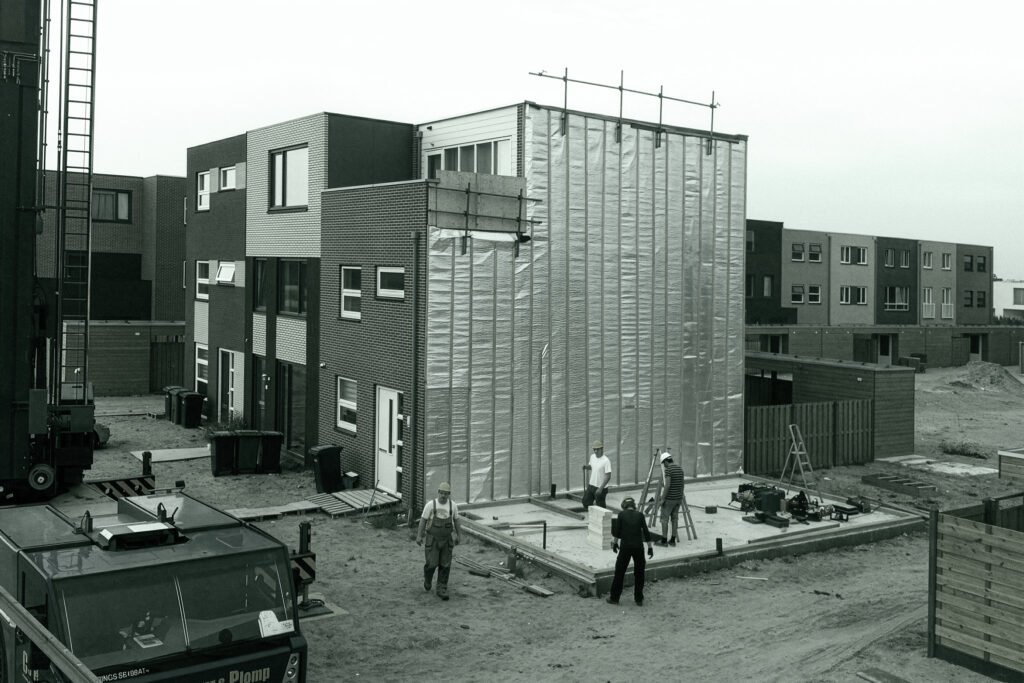
PLOT BY PLOT
MICRO HOMES

NEW TOWNS
PLOTLANDS